How to Boost Hormonal Health Naturally After 40: Complete Guide
Your hormones are the body's chemical messengers — and after 40, the communication system starts shifting in ways that affect nearly every aspect of how you feel, function, and age.
Your hormones are the body's chemical messengers — and after 40, the communication system starts shifting in ways that affect nearly every aspect of how you feel, function, and age.
The good news is that hormonal health isn't just about what your ovaries are doing. It's a complex ecosystem influenced by nutrition, stress, sleep, gut health, and environmental factors — most of which you can meaningfully influence.
This guide covers the most evidence-backed natural strategies for supporting hormonal balance after 40.
Understanding the Hormonal Shift After 40
The conversation usually centers on estrogen — and estrogen does decline during perimenopause (typically beginning in the late 30s to mid-40s). But the hormonal picture is more complex:
Estrogen declines but doesn't disappear in perimenopause — it fluctuates wildly, causing the unpredictable symptoms many women experience: hot flashes, mood swings, irregular cycles.
Progesterone often declines earlier and faster than estrogen. This imbalance (estrogen dominance relative to progesterone) is responsible for many perimenopause symptoms even before menopause is technically reached.
Testosterone in women declines gradually from the 20s onward. By 40, many women have half the testosterone they had at 20 — affecting libido, muscle mass, energy, and mood.
Cortisol becomes more dysregulated as estrogen and progesterone decline. The HPA axis (your stress response system) becomes less flexible, making women more sensitive to stress and slower to recover.
Thyroid function often declines or becomes dysregulated during the perimenopausal transition. Subclinical hypothyroidism mimics many perimenopause symptoms (fatigue, weight gain, depression, brain fog).
Natural approaches to hormonal health need to address this full picture — not just estrogen.
8 Evidence-Based Ways to Support Hormonal Health Naturally
1. Prioritize Blood Sugar Stability
Blood sugar dysregulation is one of the most disruptive forces for hormonal balance in women over 40 — and one of the most modifiable.
High blood sugar spikes insulin → insulin resistance worsens → cortisol rises → progesterone is suppressed → estrogen fluctuations worsen. This cascade directly amplifies every perimenopause symptom.
Practical strategies:
- Eat protein first at every meal — 25–40g protein at breakfast dramatically stabilizes blood sugar throughout the day
- Don't skip meals — meal skipping triggers cortisol spikes
- Reduce refined carbohydrates — not elimination, but prioritizing complex, fiber-rich carbohydrates
- Add healthy fats — avocado, olive oil, nuts support hormone synthesis and slow glucose absorption
- Walk after meals — even 10 minutes reduces the post-meal glucose spike by 30–40%
2. Optimize Liver Function
The liver is responsible for detoxifying excess estrogens and processing hormones for elimination. A sluggish liver leads to estrogen dominance — the root cause of many perimenopausal symptoms including heavy periods, breast tenderness, and mood disruption.
Liver-supporting strategies:
- Cruciferous vegetables (broccoli, cauliflower, Brussels sprouts, kale) — contain DIM and I3C, compounds that support healthy estrogen metabolism
- Reduce alcohol — the liver prioritizes alcohol detoxification over hormone metabolism; even moderate alcohol worsens estrogen dominance
- Stay hydrated — water is essential for all liver detoxification pathways
- Consider DIM supplementation — diindolylmethane (100–200mg daily) is one of the most studied supplements for estrogen metabolism
3. Support the Gut-Hormone Axis
The gut microbiome contains a subset of bacteria called the estrobolome — microorganisms that specifically metabolize and regulate estrogen recycling. A disrupted gut microbiome leads to hormone imbalance.
Poor gut health → increased beta-glucuronidase activity → deconjugation of estrogens → reabsorption into circulation → estrogen dominance.
Gut health strategies for hormonal balance:
- Fiber (25–35g daily) — feeds beneficial bacteria and binds excess estrogens for elimination
- Fermented foods — yogurt, kefir, kimchi, sauerkraut maintain microbiome diversity
- Probiotic supplementation — particularly strains of Lactobacillus and Bifidobacterium
- Reduce ultra-processed foods — disrupt microbiome diversity within days
4. Manage Cortisol Actively
Chronic stress is the most underappreciated driver of hormonal imbalance in women over 40. Cortisol and progesterone share a precursor (pregnenolone) — when cortisol demand is high, progesterone synthesis suffers.
This is sometimes called "pregnenolone steal" — and it's a real physiological phenomenon that worsens perimenopause symptoms significantly.
Evidence-based cortisol management:
- Adaptogens: Ashwagandha (300–600mg, KSM-66 form) reduces cortisol by 15–30% in clinical trials. Rhodiola is effective for stress-induced exhaustion.
- Sleep: Even one night of poor sleep elevates cortisol 20–30% the next day. Protecting sleep is an act of hormonal self-care.
- Breathwork: Box breathing (4-4-4-4 pattern) activates the parasympathetic nervous system within minutes. 5 minutes daily shows measurable cortisol reduction in studies.
- Boundary setting: Social and occupational stress is real. Chronically overcommitted women often have persistently elevated cortisol that no supplement can fully compensate for.
5. Strength Train (2–3x Per Week)
Resistance training is one of the most powerful hormonal interventions for women over 40 — often more impactful than any supplement.
Benefits specifically relevant to hormonal health:
- Increases insulin sensitivity — directly reduces the cortisol and estrogen dominance cascade
- Stimulates testosterone and growth hormone release — both decline with age but respond strongly to resistance training
- Builds muscle mass — muscle is metabolically active tissue that regulates glucose and produces hormonal signals
- Reduces visceral fat — visceral fat produces inflammatory cytokines that worsen hormonal imbalance
The research is clear: women over 40 who strength train have significantly better hormonal profiles, body composition, and quality of life metrics than those who don't.
Target: 2–3 sessions per week, compound movements (squats, deadlifts, rows, presses). Progressive overload over time.
6. Prioritize Sleep Architecture
Sleep is when the body resets its hormonal balance — and disrupted sleep directly worsens every hormonal marker.
- Melatonin (the sleep hormone) declines with age and with blue light exposure
- Growth hormone is primarily secreted during deep sleep — declining deep sleep means less regeneration
- Cortisol follows a circadian rhythm that depends on consistent sleep timing
- Estrogen and progesterone fluctuations during perimenopause directly disrupt sleep — creating a feedback loop
Sleep strategies for hormonal health:
- Consistent sleep and wake times (even on weekends)
- Darkness: use blackout curtains, cover LED lights
- Temperature: 65–68°F / 18–20°C (cooler temperatures support deeper sleep)
- No screens 60–90 minutes before bed
- Magnesium glycinate (200–400mg) at bedtime — reduces cortisol, improves sleep depth
- Avoid caffeine after noon
7. Phytoestrogens and Hormonal Support Herbs
Certain plant compounds interact with estrogen receptors and may modulate hormonal symptoms naturally:
Phytoestrogens (soy isoflavones, flaxseed): Research shows modest but real reduction in hot flash frequency in perimenopausal women. 40–80mg isoflavones daily, or 1–2 tablespoons ground flaxseed.
Vitex (Chasteberry): Supports progesterone production by acting on the pituitary gland. Well-studied for PMS, irregular cycles, and perimenopausal symptoms. 20–40mg standardized extract daily.
Maca Root: Adaptogenic root from Peru shown to reduce perimenopausal symptoms (hot flashes, depression, sexual dysfunction) through ACTH and FSH modulation. 2–3g daily.
Black Cohosh: One of the most studied herbs for menopausal symptoms. 40mg standardized extract twice daily. Meta-analyses show significant reduction in vasomotor symptoms.
8. Reduce Endocrine Disruptors
Modern environments are full of xenoestrogens — synthetic chemicals that mimic or block estrogen signaling. These can worsen hormonal imbalance independently of natural hormonal shifts.
Common sources:
- Plastics (BPA, BPS, phthalates) — don't heat food in plastic, choose glass or stainless steel water bottles
- Conventional produce — pesticides include multiple endocrine disruptors; prioritize organic for the "dirty dozen"
- Conventional meat and dairy — often contain synthetic hormones; choose organic/grass-fed when possible
- Synthetic fragrances — contain phthalates; choose fragrance-free or essential oil-based products
- Non-stick cookware (PFAS chemicals) — switch to cast iron or stainless steel
A Comprehensive Protocol: Female Vitality Protocol
For women looking for a complete, structured approach that integrates all of these elements — nutrition, stress management, movement, sleep, and targeted supplementation — the Female Vitality Protocol provides a step-by-step 6–12 week program specifically designed for women 40+.
Rather than implementing these strategies in isolation (which is possible but slower), the program provides a sequenced protocol that addresses the root causes of hormonal imbalance in a logical, progressive order.
Your Starting Point
If you're overwhelmed by the breadth of this guide, start here — the highest-leverage changes:
- Eat 30g protein at breakfast — stabilizes blood sugar for the whole day
- Take magnesium glycinate at night — improves sleep and reduces cortisol
- Walk 20–30 minutes daily after meals — the single most impactful insulin-sensitizing intervention
- Set a consistent bedtime — sleep timing is the foundation of hormonal rhythm
Implement these four changes consistently for 30 days before adding complexity.
This article is for informational purposes only and does not constitute medical advice. Consult a qualified healthcare provider before making changes to your supplementation or health protocol.
Related Articles:
- Best Energy Supplements for Women Over 40
- Female Vitality Protocol Review
- Perimenopause Symptoms: Complete Guide
Related picks from the shop
Independently selected. If you buy through a partner link we may earn a commission.
 −27%
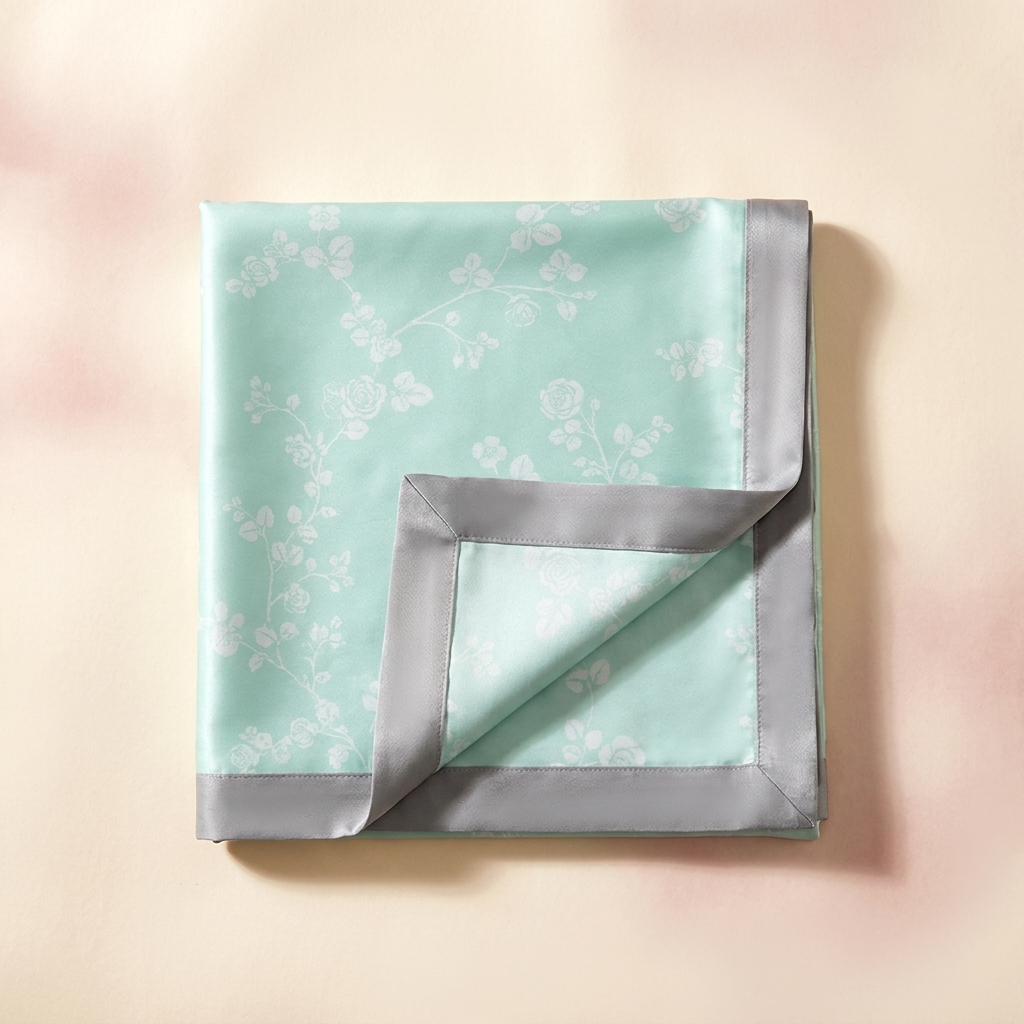
−27%NightSweat Cooling Pillowcase
Cooling-fiber pillowcase that stays cold all night - made for hot flashes and night sweats
 Partner Pick
Yoni-Care Natural Intimate Moisturizer with Moringa, Honey & Peppermint
A hormone-free botanical spray for everyday intimate comfort and hydration
Enjoyed this guide?
Get one concise, useful wellness email a week. No spam, unsubscribe anytime.