
Best Pelvic Floor Exercises for Women Over 40 (That Actually Work)
If you've noticed that sneezing, laughing, or even walking to the bathroom has become… complicated — you're not alone. An estimated 1 in 3 women experience pelvic floor dysfunction at some point...
If you've noticed that sneezing, laughing, or even walking to the bathroom has become… complicated — you're not alone. An estimated 1 in 3 women experience pelvic floor dysfunction at some point in their lives, and the risk increases significantly after 40.
The good news? Your pelvic floor is made of muscle — and muscles respond to training. The right exercises can restore strength, reduce leakage, and dramatically improve your quality of life.
Here's everything you need to know about the most effective pelvic floor exercises for women over 40, ranked by impact.
Why the Pelvic Floor Weakens After 40
Before diving into the exercises, it helps to understand what's happening in your body.
During perimenopause and menopause, estrogen levels drop significantly. Estrogen plays a critical role in maintaining the elasticity and strength of pelvic floor tissues. Less estrogen means the muscles, ligaments, and connective tissue in the pelvic region become thinner and more prone to weakness.
Add in the cumulative effects of childbirth, years of high-impact activity (or prolonged sitting), and natural aging — and it's no surprise that many women in their 40s and 50s start noticing symptoms they never had before:
- Leaking when coughing, sneezing, or laughing (stress incontinence)
- Frequent or sudden urges to urinate (urge incontinence)
- Reduced sensation during intimacy
- A feeling of heaviness or pressure in the pelvis
- Lower back pain without a clear orthopedic cause
The pelvic floor is a hammock-shaped group of muscles that supports the bladder, uterus, and bowel. When it weakens, these organs lose their scaffolding — and symptoms follow.
The 6 Best Pelvic Floor Exercises for Women Over 40
1. Kegel Exercises (The Foundation)
Kegels are the most well-known pelvic floor exercise — and they work, when done correctly. The problem is that most women do them wrong.
How to do them correctly:
- Empty your bladder first
- Lie down or sit comfortably
- Identify your pelvic floor muscles — imagine you're stopping the flow of urine mid-stream
- Contract those muscles for 5 seconds
- Fully relax for 5 seconds (the relaxation phase is just as important as the contraction)
- Repeat 10–15 times, 3 sets per day
Common mistakes to avoid:
- Holding your breath (breathe normally throughout)
- Squeezing your glutes or thighs (isolate the pelvic floor)
- Doing them while urinating (this can disrupt normal bladder function over time)
Results typically begin within 4–6 weeks of consistent daily practice.
2. Diaphragmatic Breathing
This one surprises most women — but breathing directly impacts pelvic floor tension. The diaphragm and pelvic floor work as a coordinated system. When you inhale deeply, the pelvic floor naturally descends and relaxes. When you exhale, it lifts.
Many women with pelvic floor dysfunction actually have a hypertonic (too tight) pelvic floor rather than a weak one. Diaphragmatic breathing is the most effective way to release chronic tension.
How to practice:
- Lie on your back, knees bent
- Place one hand on your chest, one on your belly
- Inhale slowly through your nose — your belly should rise, not your chest
- As you inhale, let your pelvic floor expand and soften
- Exhale slowly through your mouth, allowing the pelvic floor to gently lift
- 10 breaths, twice daily
3. Bridge Pose (Glute Bridge)
The glute bridge strengthens the posterior chain — glutes, hamstrings, and pelvic floor — in an integrated way. It's particularly effective because it trains the pelvic floor under load, similar to real-life demands.
How to do it:
- Lie on your back, knees bent, feet flat on the floor hip-width apart
- Exhale and gently engage your pelvic floor
- Lift your hips until your body forms a straight line from knees to shoulders
- Hold for 3–5 seconds at the top
- Lower slowly and inhale, relaxing the pelvic floor
- Repeat 12–15 times, 2–3 sets
Progression: For more challenge, try single-leg bridges.
4. Squats (Functional Pelvic Floor Training)
Squats are one of the most functional exercises for the pelvic floor. They train the muscles through their full range of motion — something Kegels alone can't do.
Pelvic-floor-friendly squat technique:
- Stand with feet shoulder-width apart, toes slightly turned out
- Inhale as you lower — let the pelvic floor relax and descend
- Exhale as you stand up — gently lift the pelvic floor with the breath
- Keep your chest up, knees tracking over your toes
- Start with bodyweight, 10–12 reps, 3 sets
Avoid deep squats if you have prolapse symptoms — stay above parallel until you've built sufficient pelvic floor strength.
5. Bird-Dog
This exercise builds core stability while requiring the pelvic floor to maintain tension during limb movement — a highly functional skill for everyday activities.
How to do it:
- Start on hands and knees (tabletop position)
- Engage your core lightly, maintain a neutral spine
- Simultaneously extend your right arm forward and left leg back
- Hold 3 seconds, return to start
- Switch sides
- 8–10 reps per side, 2 sets
6. Hip Hinges (Deadlift Pattern)
The hip hinge teaches you to load the pelvic floor properly during lifting movements — crucial for preventing leakage during daily activities like picking up groceries or grandchildren.
Bodyweight hip hinge:
- Stand with feet hip-width apart
- Soften your knees slightly
- Inhale as you hinge forward from the hips, pushing them back (not squatting down)
- Feel a stretch in your hamstrings
- Exhale and drive hips forward to return to standing, gently engaging pelvic floor
- 12–15 reps, 2–3 sets
How Long Does It Take to See Results?
Pelvic floor exercises require consistency. Here's what the research shows:
| Timeline | Expected Improvement |
|---|---|
| 4–6 weeks | Noticeable reduction in leakage episodes |
| 8–12 weeks | Significant strength improvement, most women see major changes |
| 6 months | Full rehabilitation possible for mild-to-moderate dysfunction |
Key variable: Technique matters more than frequency. One well-performed set beats five sloppy ones.
When Exercises Alone Aren't Enough
For many women over 40, exercises are an excellent starting point. But if you've been doing Kegels consistently for 8+ weeks without significant improvement, the issue may be more complex:
- Hypertonic pelvic floor — muscles too tight to contract effectively (need relaxation work first)
- Hormonal component — low estrogen affecting tissue quality
- Structural weakness — beyond what home exercise can address
In these cases, a structured video program that coaches you through proper technique — with progressions, modifications, and targeted sequencing — makes a significant difference.
The Pelvic Floor Strong program was specifically designed for women 40+ experiencing exactly these challenges. It goes beyond basic Kegels with a multi-step approach that addresses muscle activation, coordination, and functional strength — all from home, with no equipment needed.
Expert Tips for Faster Results
1. Track your progress. Note how many leakage episodes you have per day. Watching the number drop week over week is motivating and helps you stay consistent.
2. Do your exercises at the same time each day. Habit stacking works well — pair your pelvic floor exercises with your morning coffee or evening skincare routine.
3. Manage intra-abdominal pressure. Heavy lifting, chronic coughing, and straining during bowel movements all put excess pressure on the pelvic floor. Address constipation, lift with proper form, and exhale on exertion.
4. Consider magnesium. Magnesium deficiency is common in women over 40 and can contribute to bladder spasms and urgency. A magnesium glycinate supplement (200–400mg at night) may help.
5. Stay hydrated — with the right fluids. Caffeine and alcohol irritate the bladder and worsen urgency. Aim for 6–8 glasses of water daily and reduce caffeine gradually.
The Bottom Line
Pelvic floor weakness after 40 is common — but it's not inevitable, and it's not permanent. A consistent practice combining Kegels, functional movement, and diaphragmatic breathing can restore significant strength within 2–3 months.
Start with 10 minutes a day. Be patient, be consistent, and if you're not seeing results after 6–8 weeks, consider a structured program that provides the coaching and progressions most women need.
Your pelvic floor can be strong again. It just needs the right approach.
This article is for informational purposes only and does not constitute medical advice. Consult a pelvic floor physical therapist or healthcare provider for personalized guidance.
Related Articles:
- How to Stop Bladder Leakage Naturally: Complete Guide
- Pelvic Floor Strong Review: Does It Actually Work?
- Natural Solutions for Perimenopause Symptoms
Related picks from the shop
Independently selected. If you buy through a partner link we may earn a commission.
 −27%
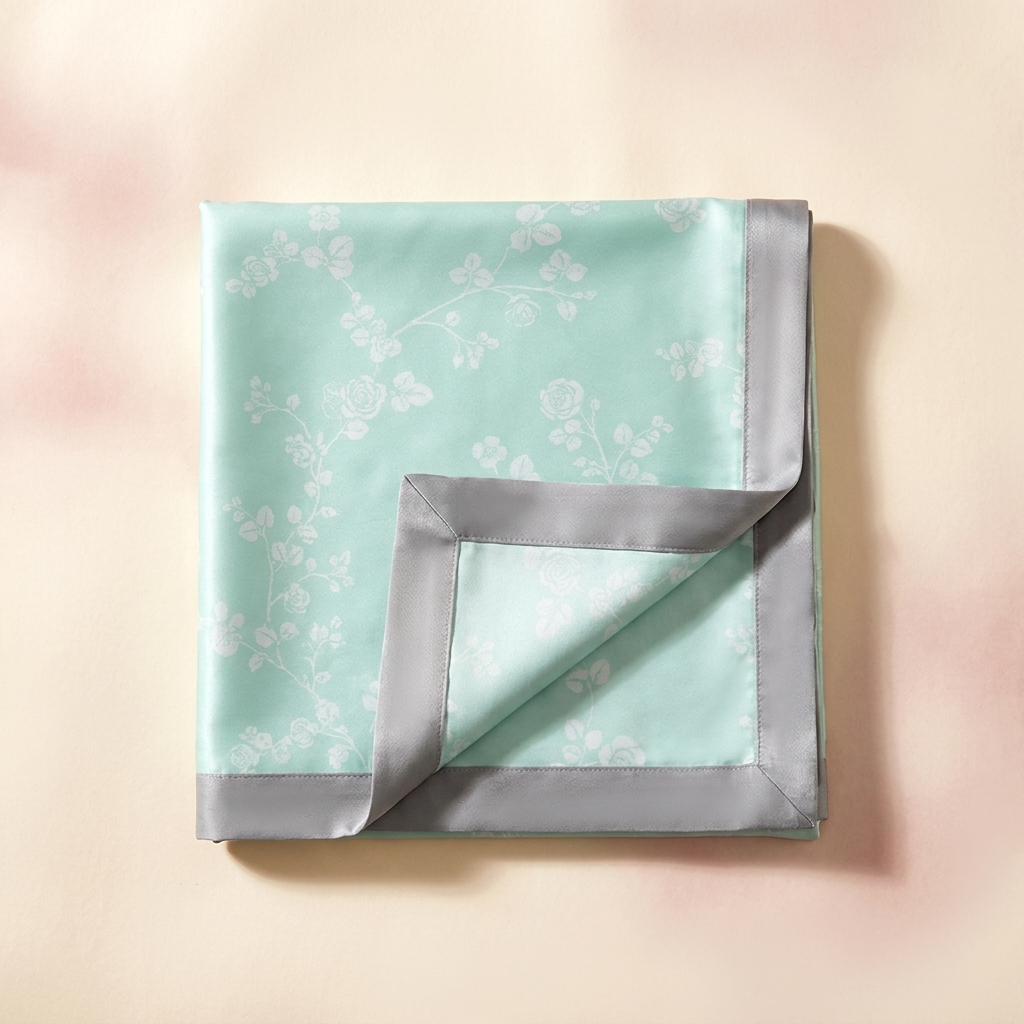
−27%NightSweat Cooling Pillowcase
Cooling-fiber pillowcase that stays cold all night - made for hot flashes and night sweats
 Partner Pick
Yoni-Care Natural Intimate Moisturizer with Moringa, Honey & Peppermint
A hormone-free botanical spray for everyday intimate comfort and hydration
Enjoyed this guide?
Get one concise, useful wellness email a week. No spam, unsubscribe anytime.